
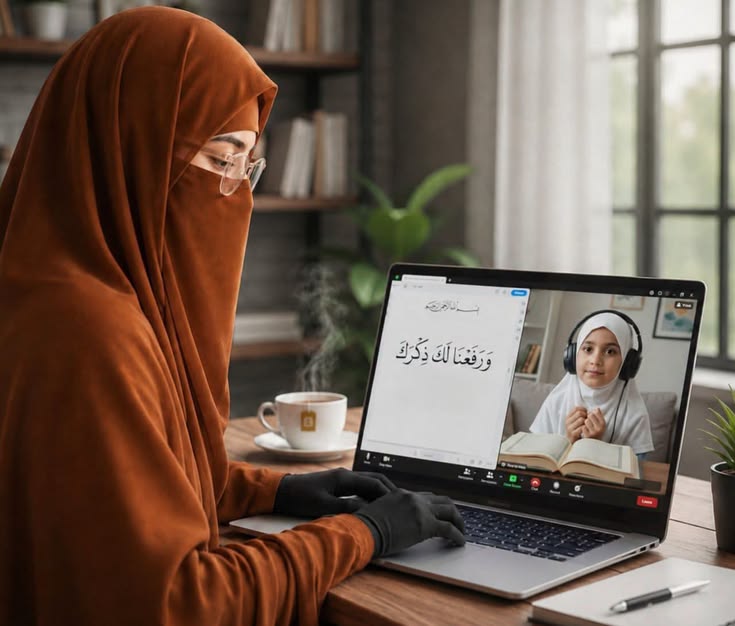
There's a quiet gap in a lot of Islamic education - we talk a great deal about the male Companions, their battles, their sacrifices, their roles in building the early Muslim community. But the women around them? Often mentioned briefly, if at all. The Sahabiyat course exists specifically to fix that, and it's become one of the more meaningful additions to our course list - particularly for mothers raising daughters who deserve role models that look like them.
Who Were the Sahabiyat?
The Sahabiyat were the female Companions of the Prophet ﷺ - women whose courage, intellect, and sacrifice shaped the earliest years of Islam just as much as their male counterparts did. Khadijah (RA), Aisha (RA), Fatimah (RA), Umm Sulaym (RA) - these aren't just names in a history book. Their stories carry real weight: resilience during persecution, scholarship, business, motherhood, and leadership, often under conditions that would be unthinkable today.
Why This Course Matters
Honestly, a lot of young Muslim girls grow up without ever hearing these stories in detail. That absence isn't deliberate - it's just that the curriculum in most places defaults to the more commonly taught narratives. This course is a direct response to that gap.
It gives women and young girls specifically a space to learn about:
The faith and conviction of the Sahabiyat during incredibly difficult periods.
Their contributions to early Islamic society - not as side characters, but as active participants.
The personal sacrifices many of them made, and what that teaches us about character and resilience today.
What a Typical Class Looks Like
These sessions are less about rote memorization and more about genuine discussion. A teacher introduces a Sahabiyah's life and context, walks through key events, and then - this part matters - opens it up for reflection. What can we take from her story? How does it relate to something a student might be going through herself?
It's taught in a small, comfortable setting, usually one-on-one or in very small groups, which makes space for actual conversation rather than a one-way lecture.
Who Should Join
This course is designed with women and young girls in mind, but the age range is pretty flexible:
Mothers who want their daughters to grow up with strong, relatable role models.
Teenage girls navigating identity and faith, who benefit from real historical figures rather than abstract lessons.
Adult women revisiting their own Islamic education and realizing this part was missing.