
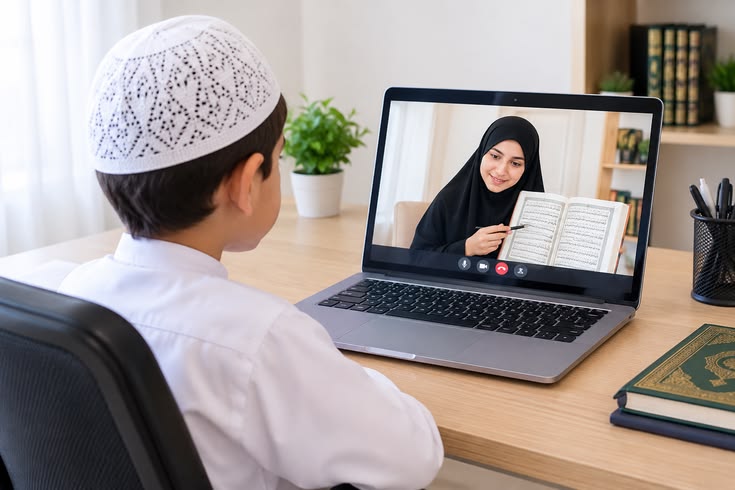
So you've decided it's time - you want to learn quran online, or maybe get your kids started, but you're not totally sure where to begin. That's more common than you'd think. Most families get stuck not because the learning itself is hard, but because the starting part feels overwhelming. So here's a straightforward breakdown - five steps, nothing complicated.
Step 1: Figure Out What You Actually Need
Before anything else, be honest about where you (or your child) currently stand. Can you read Arabic script at all? Have you memorized a few surahs but never learned proper Tajweed? Are you starting completely from zero?
This matters because quran learning online isn't one-size-fits-all. A program built around Noorani Qaida won't be the right fit for someone who already reads fluently and just wants to polish their Tajweed. Knowing your starting point saves everyone time.
Step 2: Choose Between Kids, Adults, or Family Classes
It sounds obvious, but a lot of people skip this step and end up in the wrong kind of class. Quran classes for children need a completely different pace and teaching style than quran classes for beginners adults. Kids need shorter sessions, more repetition, and a playful approach. Adults usually prefer faster pacing and more direct explanations.
If multiple family members want to join, some academies - including ours - offer flexibility to run separate sessions tailored to each person's level, rather than forcing everyone into the same class.
Step 3: Find a Teacher You (or Your Child) Actually Click With
This is probably the most underrated step. Certification matters, sure, but so does personality fit. A brilliant teacher who's too strict for a nervous 7-year-old isn't the right match, even if their credentials are excellent. The reverse is true too - adult beginners often want someone direct and efficient, not overly gentle.
This is exactly why a free trial class matters so much. Don't skip it. Use it to actually gauge whether the teaching style feels right before committing to a monthly schedule.
Step 4: Set a Realistic, Sustainable Schedule
A common mistake: signing up for daily classes out of enthusiasm, then burning out within three weeks. Quran lessons online work best when they're consistent but manageable - three sessions a week tends to work better long-term than five sessions that eventually get skipped because life gets busy.
Think about your actual weekly routine honestly. Evening after school? Weekend mornings? Pick a slot you can realistically stick to for months, not just the first few weeks.
Step 5: Start, Track Progress, and Adjust as You Go
Once classes begin, don't expect linear, perfectly smooth progress - that's just not how learning works. Some weeks will feel slower than others. What matters is tracking actual progress over time (most academies provide progress reports) and adjusting the pace or teacher if something genuinely isn't working.
And that's really it. Online quran courses aren't complicated once you've got these five pieces sorted - knowing your level, picking the right class type, finding a compatible teacher, setting a sustainable schedule, and staying flexible as you go.