
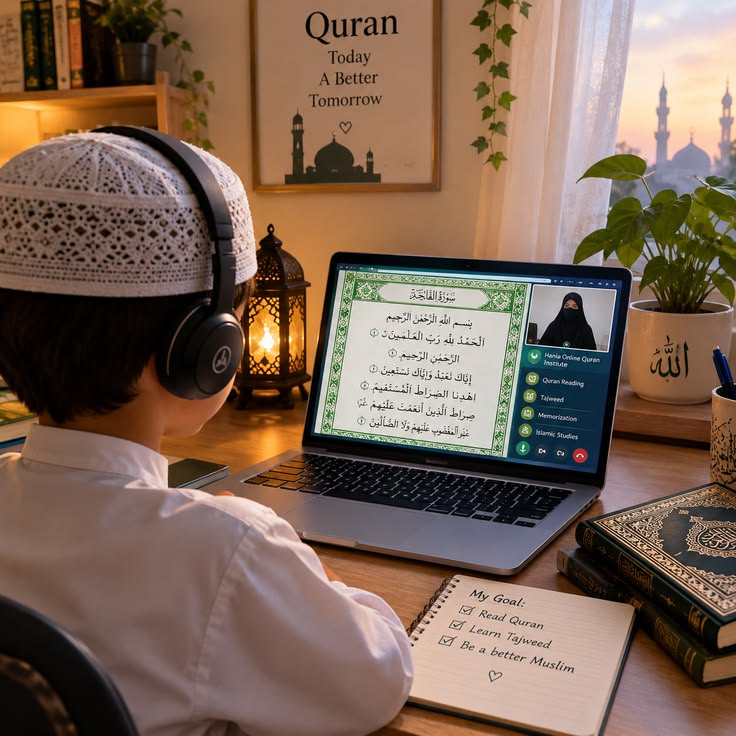
If you've been scrolling through online quran classes options, you've probably noticed almost every academy advertises a "free trial." It's practically standard at this point. But here's the thing most people don't think about - what's the trial actually for, and how do you use it properly instead of just going through the motions?
Why Free Trials Exist in the First Place
It's simple, really: online Quran education is a trust-based relationship. You're letting someone teach your child - or yourself - something deeply personal, over video, often with someone you've never met in person. A free trial class exists so that trust isn't built blindly. You get to actually see the teaching style, hear how the teacher communicates, and judge whether it feels right before any money changes hands.
What Typically Happens During a Trial
Most trials run somewhere between 20 and 30 minutes and usually include:
A quick introduction - the teacher gets to know the student's current level, whether that's complete beginner or someone refining Tajweed.
A short assessment, especially for reading-based classes, where the teacher listens to recitation (if applicable) to understand where things actually stand.
A small taste of an actual lesson - maybe a few letters from Noorani Qaida, a short Tajweed rule, or a quick dua, depending on what's being requested.
Space for questions, both from the student and from parents watching in the background (which, for kids' classes, is pretty normal and expected).
It's not meant to feel like an exam. A good teacher keeps it relaxed, especially for younger or more nervous students.
What to Actually Pay Attention To
Here's where most people miss the point of the trial - they focus only on "did my child enjoy it," which matters, but isn't the whole picture. Also pay attention to:
Patience. Did the teacher repeat things calmly, or did impatience creep in after a mistake?
Clarity. Could you (or your child) actually follow what was being taught, or did it feel rushed?
Communication with parents. For kids' classes especially, did the teacher check in with you about goals, concerns, or preferences?
Technical quality. Was the video and audio stable enough for an actual recurring class, not just a one-off session?
Questions Worth Asking Before the Trial Ends
Don't just say thanks and log off. Ask things like:
What would a typical weekly schedule look like going forward?
How is progress tracked and shared with parents?
Is there flexibility to switch teachers later if the fit isn't right?
What happens if a class needs to be rescheduled?
Getting clear answers here tells you a lot about how the academy actually operates day to day, not just how the marketing reads.
When a Trial Isn't Enough to Decide
Sometimes one trial class just isn't conclusive - maybe the student was shy, or the first session felt a bit rushed on both sides. It's completely reasonable to ask for a second trial, or at least a short follow-up conversation, before committing to a paid package. A good academy won't push back on that.